
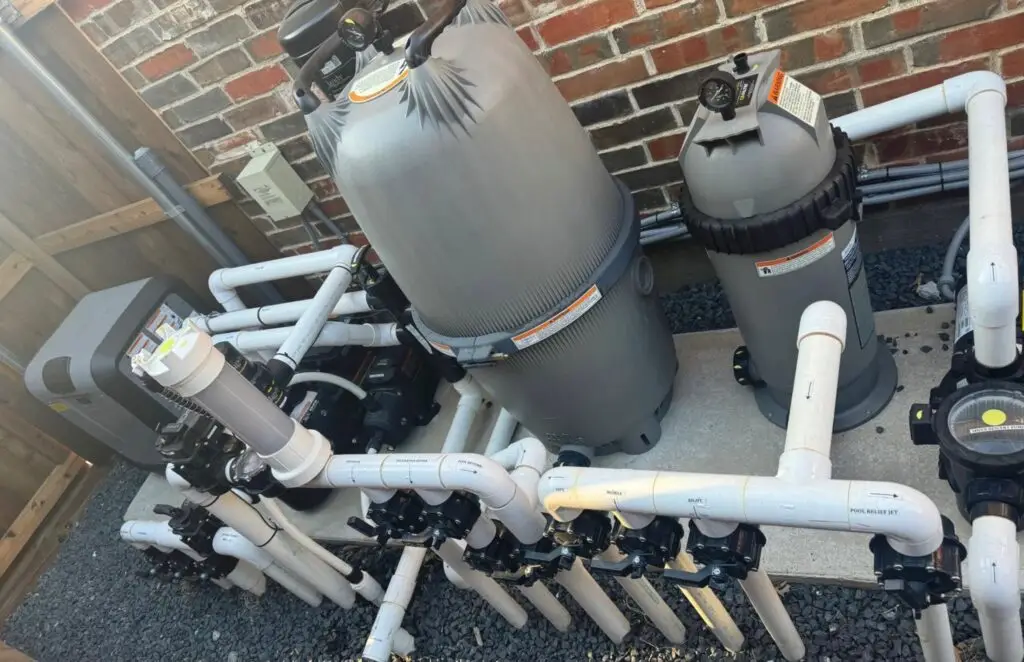
When Should You Replace Your Pool Equipment?
Your pool equipment works hard — especially here in Frisco, Texas, where a long swimming season means your pump, filter, and heater are running almost year-round. But like any mechanical system, pool equipment doesn’t last forever. The question most homeowners ask us at NorTex Pools is: “How do I know when it’s time to replace something vs. just repair it?”
The answer depends on the equipment type, its age, and the warning signs it’s showing. In this guide, we’ll walk you through every major piece of pool equipment, how long it should last, and the exact signs that it’s time for a replacement.
Catching these signs early can save you thousands in water damage, chemical imbalance, and emergency repair costs. Let’s dive in.
When to Replace Each Piece
of Pool Equipment
Pool Pump
The pool pump is the heart of your entire circulation system. Without it, water stagnates, chemicals don’t distribute, and algae takes over fast — a real problem in Frisco’s summer heat. A well-maintained variable-speed pump should last around a decade, but in our North Texas climate, heavy usage can shorten that.
- Loud grinding, screeching, or humming noises
- Pump loses prime frequently or won’t prime at all
- Visible cracks or leaks around the housing
- Motor overheats and shuts off repeatedly
- Weak or low water flow despite clean baskets
- Energy bills spiking with no change in usage
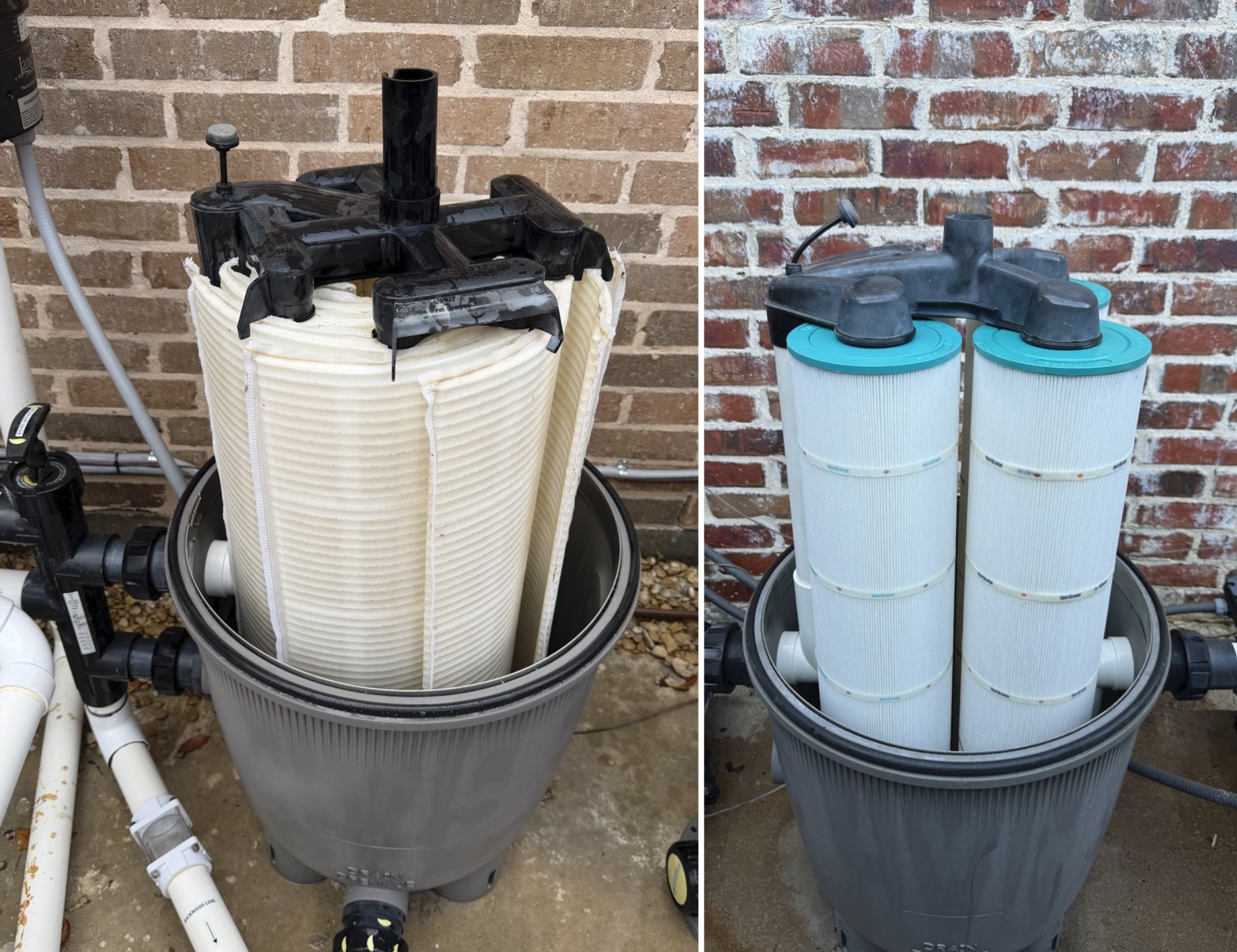
Pool Filter (DE & Cartridge)
Your filter removes contaminants that your sanitizer can’t catch — dirt, debris, algae particles, and more. Each filter type has a different lifespan, but all of them eventually stop doing their job effectively. In Frisco, where pollen, dust, and landscaping debris are constant, filters can wear faster than average.
- Persistent cloudy water even after cleaning
- Pressure gauge reads high shortly after a backwash
- DE powder returning into the pool
- Torn, cracked, or deteriorated filter cartridges
- Tank housing shows cracks or bulging
Pool Heater
Gas and heat pump heaters give Frisco pool owners the ability to extend their swim season well into fall and start earlier in spring. But a heater working inefficiently can add hundreds of dollars to your gas or electric bill. Knowing when to replace vs. repair is key.
- Heater won’t ignite or shuts off mid-cycle
- Pool takes significantly longer to reach set temperature
- Corroded or cracked heat exchanger
- Pilot light goes out frequently (gas heaters)
- Visible rust, scaling, or calcium buildup on unit
- Error codes that persist after professional service
- Repair costs exceed 50% of a new unit’s price
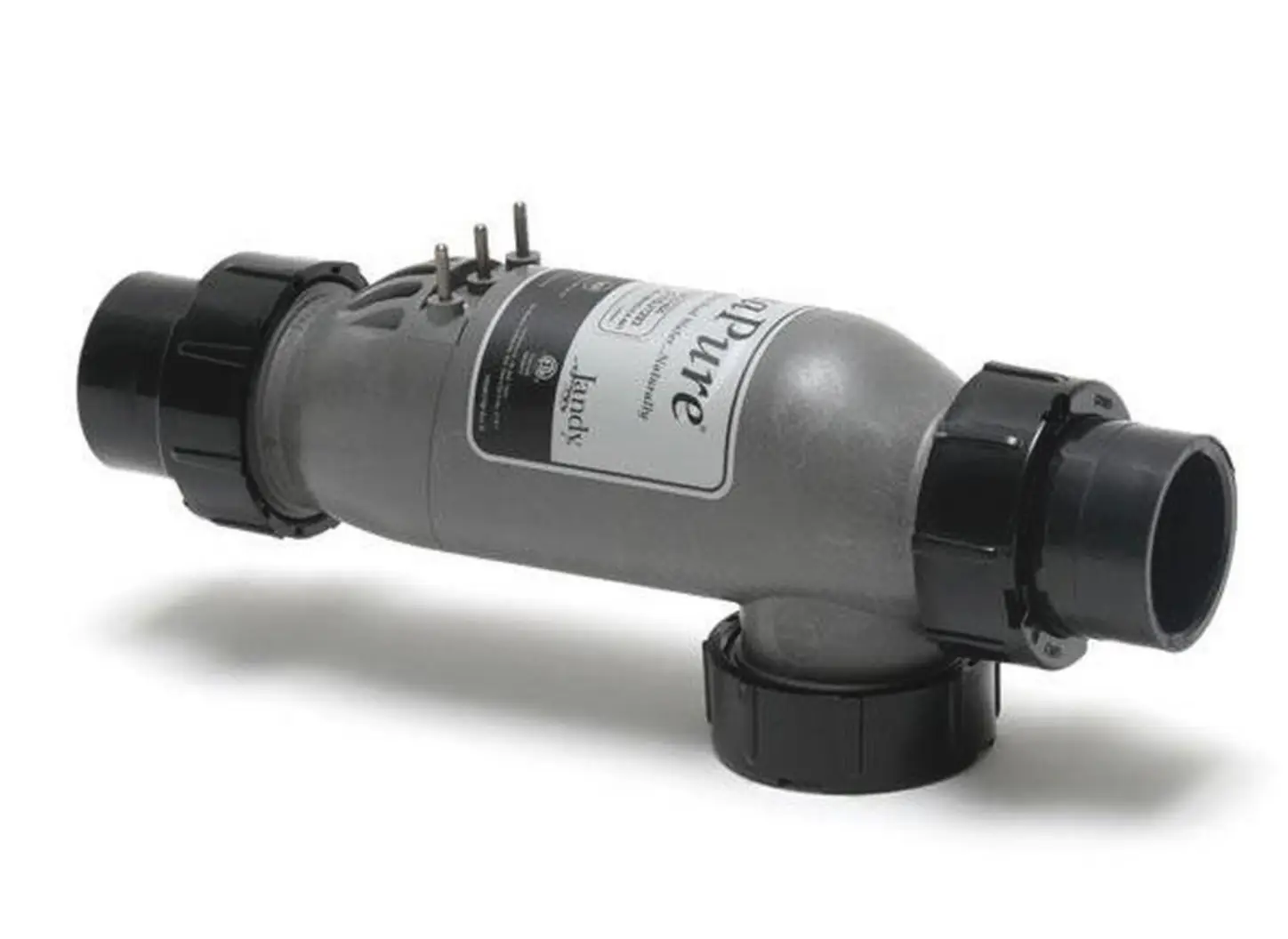
Salt Cell & Chlorinator
Salt water pools are increasingly popular in Frisco because they’re gentler on eyes and skin. But the salt cell — the component that converts salt into chlorine — does wear out. Calcium scale buildup from our hard North Texas water is the #1 killer of salt cells in this area.
- Chlorine levels consistently low despite normal salt level
- Control panel shows “check cell” or low output warning
- Heavy white calcium deposits on cell plates
- Cell produces no chlorine even after acid washing
- Salt readings are inaccurate or fluctuating
- Cracked or broken cell housing
Pool Lights
Pool lights aren’t a circulation component, but they’re important equipment — and replacing old incandescent fixtures with LED is one of the most cost-effective upgrades you can make. LED pool lights use up to 75% less energy and last far longer.
- Bulb burns out repeatedly in short intervals
- Water inside the light fixture lens
- Fixture housing is cracked or corroded
- Flickering or inconsistent lighting
- Tripping GFCI breaker when pool light is on
- Light is more than 10 years old (incandescent)
Pool Automation & Control Systems
Modern pool automation lets you control your pump, lights, heater, and water features from your smartphone. Older analog timers and control panels eventually fail — causing connected equipment to run on incorrect schedules, spiking energy bills and damaging equipment.
- Timer fails to trigger pump on correct schedule
- Display is blank, cracked, or unresponsive
- System won’t connect to app or loses connection
- Relay clicking but equipment not responding
- Corrosion inside control panel box
- System is incompatible with new equipment added
Pool Equipment Lifespan Quick Reference
| Equipment | Expected Lifespan | Repair or Replace? | Priority Level |
|---|---|---|---|
| Pool Pump (Single Speed) | 7–9 Years | Replace if 8+ yrs or motor fails | High Priority |
| Pool Pump (Variable Speed) | 7–9 Years | Repair minor issues; replace at 8+ yrs | Monitor Closely |
| Cartridge Filter | 8–10 Years | Replace cartridges every 5 yrs | High Priority |
| DE Filter | 8–10 Years | Replace housing if 10+ yrs | High Priority |
| Gas Pool Heater | 7–10 Years | Replace if heat exchanger corrodes | High Priority |
| Salt Cell | 3–5 Years | Replace when output drops below 50% | High Priority |
| In-Line Chlorinator | 5–8 Years | Replace if cracked | Monitor Closely |
| Pool Lights (Incandescent) | 7 Years | Upgrade to LED at replacement | Upgrade Recommended |
| Pool Lights (LED) | 10–12 Years | Replace fixture if water intrusion | Low Priority |
| Control/Automation System | 10–15 Years | Replace when incompatible or failing | Consider Upgrade |
Not Sure What Your Equipment Needs?
NorTex Pools offers detailed equipment pad evaluations for Frisco homeowners. We’ll tell you exactly what’s working, what’s wearing out, and what can wait — no pressure, no upsell.
📞 Call (469) 238-2660How to Make Pool Equipment Last Longer in Frisco, TX
Keep Water Chemistry Balanced
Unbalanced water is the #1 cause of premature equipment failure. Corrosive water eats metal parts; scale-forming water clogs lines. Test weekly in summer.
Clean Baskets Weekly
Clogged baskets force your pump to work harder. In Frisco, wind and landscaping debris can fill baskets in days. A quick weekly check saves your motor.
Freeze Protection Management
Even in North Texas, we get severe hard freezes. Water inside motionless equipment expands, cracking housings and destroying manifolds. Ensure automation freeze protection is functional.
Don’t Run Equipment Dry
Running a pump without water for even a few minutes can destroy shaft seals and bearings. Always ensure water lines are primed before system start.
Schedule Annual Inspections
Have a pool professional inspect your entire equipment pad before the heavy summer swim season begins. Early warning detection minimizes emergency repair costs.
Upgrade to Variable Speed
If your single-speed pump is aging, upgrade to variable speed when replacing it. It will pay for itself in energy savings within 2–3 years in a high-use Texas pool.
Search
Categories
Recent Posts
DE Filter vs. Cartridge Filter
When it comes to keeping your pool water crystal clear, …
How Long Should Pool Service Take?
When it comes to keeping your pool water crystal clear, …
How Often Should Salt Cells Be Cleaned?
Saltwater pools have become one of the most popular choices …
Tags
Plan Your Dream Gateway
Luxury, comfort, and unforgettable experinences await you